The Jelly Shoe Gets a Modern Material Update
MEISHAGE · PVC FOOTWEAR & MATERIAL TRENDS
Jelly shoes are enjoying another fashion revival, but the conversation around this distinctive footwear category is changing. Today, design is only part of the story. Materials, production choices and responsible product development are becoming increasingly important considerations for footwear brands, manufacturers and international buyers.
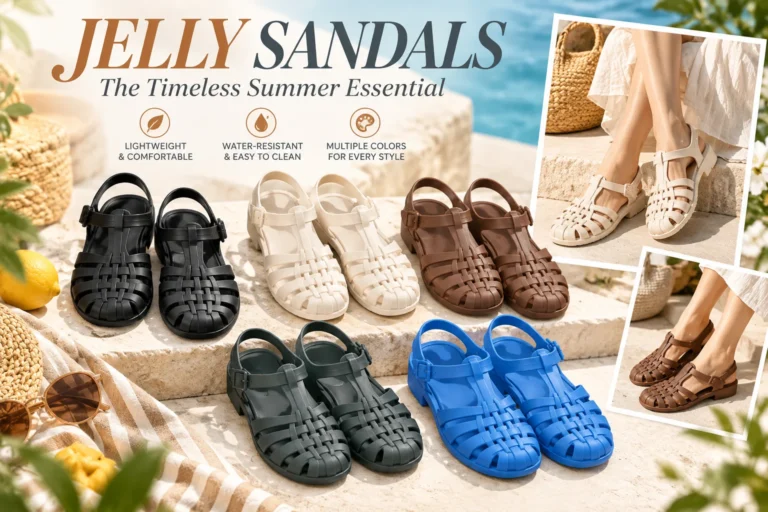
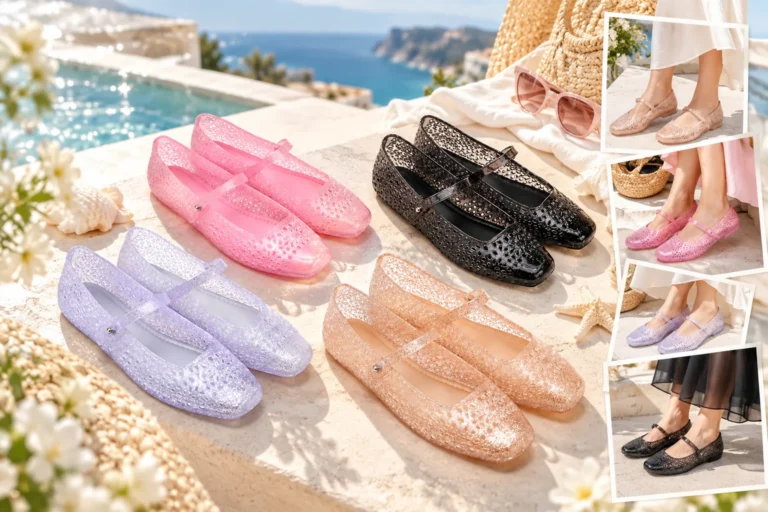
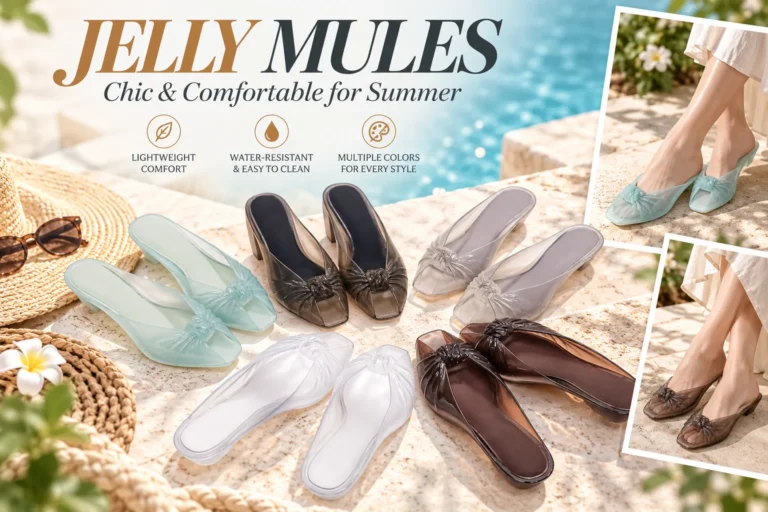
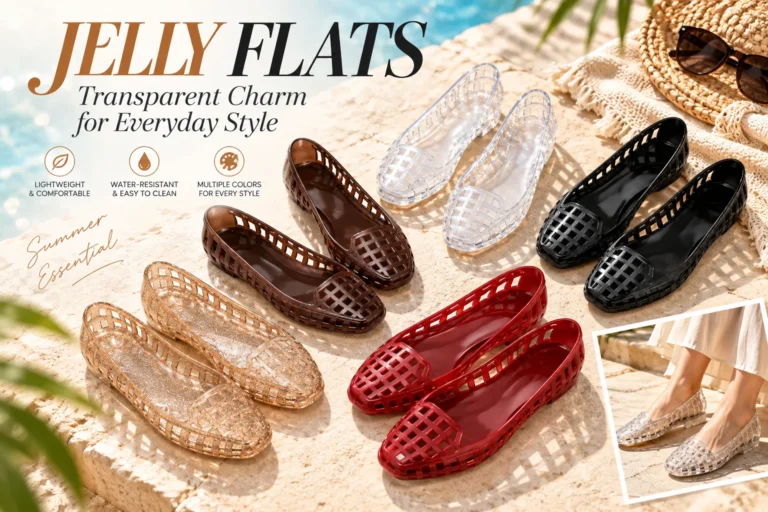
From transparent sandals and colorful flats to fisherman-style shoes and modern jelly heels, PVC footwear continues to evolve. At the same time, the wider footwear industry is exploring new approaches to materials, recycled content and production processes.
Jelly Shoes Are Evolving Beyond Nostalgia
Jelly footwear has a recognizable identity. Transparent surfaces, glossy finishes and playful colors have helped these shoes return repeatedly across different fashion cycles.
What is different today is that consumers and footwear buyers are paying closer attention not only to how a product looks, but also to what it is made from and how it is produced.
This shift is encouraging the footwear industry to think about the jelly shoe as more than a nostalgic summer product. Material development, product durability, responsible sourcing and manufacturing efficiency are increasingly becoming part of the conversation.
Why Materials Matter in Modern Jelly Footwear
PVC has long been associated with jelly footwear because of its flexibility, water resistance and ability to produce transparent, translucent and colorful finishes.
These characteristics make it possible to create a wide variety of footwear silhouettes, including sandals, flats, slippers, mules, children’s shoes and fashion-focused jelly designs.
At the same time, the footwear industry is exploring ways to improve material selection and production. Depending on the manufacturer and product, developments across the wider market include recycled materials, bio-based components, alternative polymers and systems designed to reuse production waste.
Recyclable and Recycled Are Not the Same Thing
One important distinction for footwear buyers is the difference between a material being recyclable and a product actually containing recycled material.
A material described as recyclable may technically be capable of entering a recycling process, but this does not necessarily mean that the finished product has been recycled or that suitable recycling infrastructure is available in every market.
By comparison, claims such as recycled content refer to material that has already been recovered and incorporated into a new product. For professional footwear sourcing, understanding these distinctions can help buyers evaluate supplier claims more carefully.
Material Innovation Is Expanding Across the Footwear Industry
The broader jelly footwear market is already experimenting with different approaches to material development.
Examples across the industry include recycled PVC, combinations of plastic and plant-derived materials, bio-based components, TPU and plastics recovered from waste streams. These approaches vary significantly in composition, performance and environmental impact, making transparent product information increasingly important.
For footwear brands and buyers, the key is not simply choosing a material because it carries an environmental label. Product performance, durability, production requirements, market regulations and verifiable material information should all be considered.
Transparency Is Becoming More Important for Footwear Buyers
As sustainability becomes a stronger part of footwear sourcing, buyers are increasingly looking for clear information rather than broad environmental claims.
Material composition, manufacturing requirements, relevant certifications and supporting documentation can help professional buyers better understand the products they are sourcing.
This is especially important for international wholesale and private-label projects, where different markets may have different requirements for materials, labeling and product compliance.
Design Still Matters
Responsible material development does not mean jelly footwear has to lose the playful characteristics that make the category distinctive.
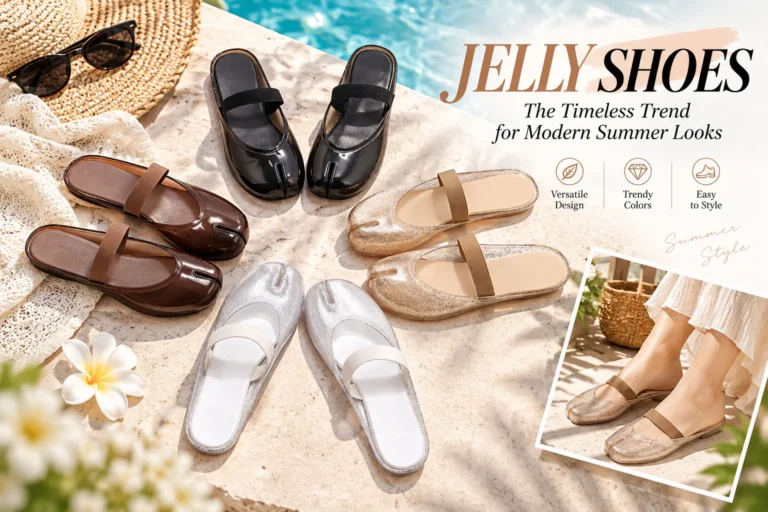
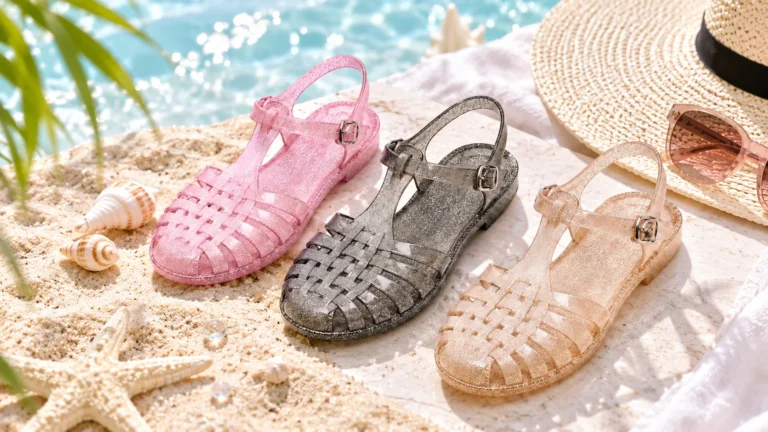
Transparent and translucent finishes can still create a lightweight visual appearance, while neutral tones such as clear, smoke, brown and cream provide versatile styling options. Brighter colors such as pink, blue, red and green can give seasonal collections a stronger fashion identity.
Different constructions also allow PVC footwear to serve different markets, from casual beach sandals and children’s shoes to elegant flats, mules and fashion-focused women’s footwear.
Durability Is Part of Responsible Product Development
Material selection is only one part of responsible footwear development. Product durability, construction quality and appropriate design also matter.
A product that performs reliably throughout its intended use can provide greater practical value for consumers and reduce unnecessary replacement. For manufacturers, this makes quality control an important part of both product performance and responsible production.
What This Means for Wholesale Footwear Buyers
For importers, wholesalers, distributors and private-label brands, changing expectations around footwear materials create both new responsibilities and new opportunities.
Buyers can increasingly consider material requirements alongside traditional sourcing factors such as price, style, color, size range, MOQ, production capacity and delivery time.
Working directly with a footwear manufacturer also makes it easier to discuss product specifications, material requirements, customization and quality standards before production begins.
Developing Modern PVC Footwear with MEISHAGE
MEISHAGE specializes in the development and supply of women’s and children’s PVC footwear, including jelly shoes, sandals, slippers and other plastic footwear styles.
We focus on material selection, product quality and efficient manufacturing while developing footwear for international wholesale and private-label customers.
Our footwear products use environmentally friendly materials, and we support OEM and ODM projects for international buyers. Specific material, testing or compliance requirements can be discussed according to the product and target market.
Depending on the style and order requirements, customization options can also include colors, logos, trademarks, packaging and selected product details.
The Next Chapter of Jelly Footwear
The latest evolution of jelly shoes shows that footwear trends can develop in more than one direction. Consumers still value color, transparency and nostalgic styling, but materials and responsible production are becoming more visible parts of the purchasing conversation.
For manufacturers and footwear buyers, the opportunity is to balance design, performance, quality and responsible material selection while developing products suited to modern markets.
If you are developing a PVC footwear collection, contact MEISHAGE with your preferred styles, colors, sizes, estimated quantity and customization requirements to discuss suitable wholesale, OEM and ODM solutions.